
History of the Silk Road: How This Ancient Trade Route Changed the World
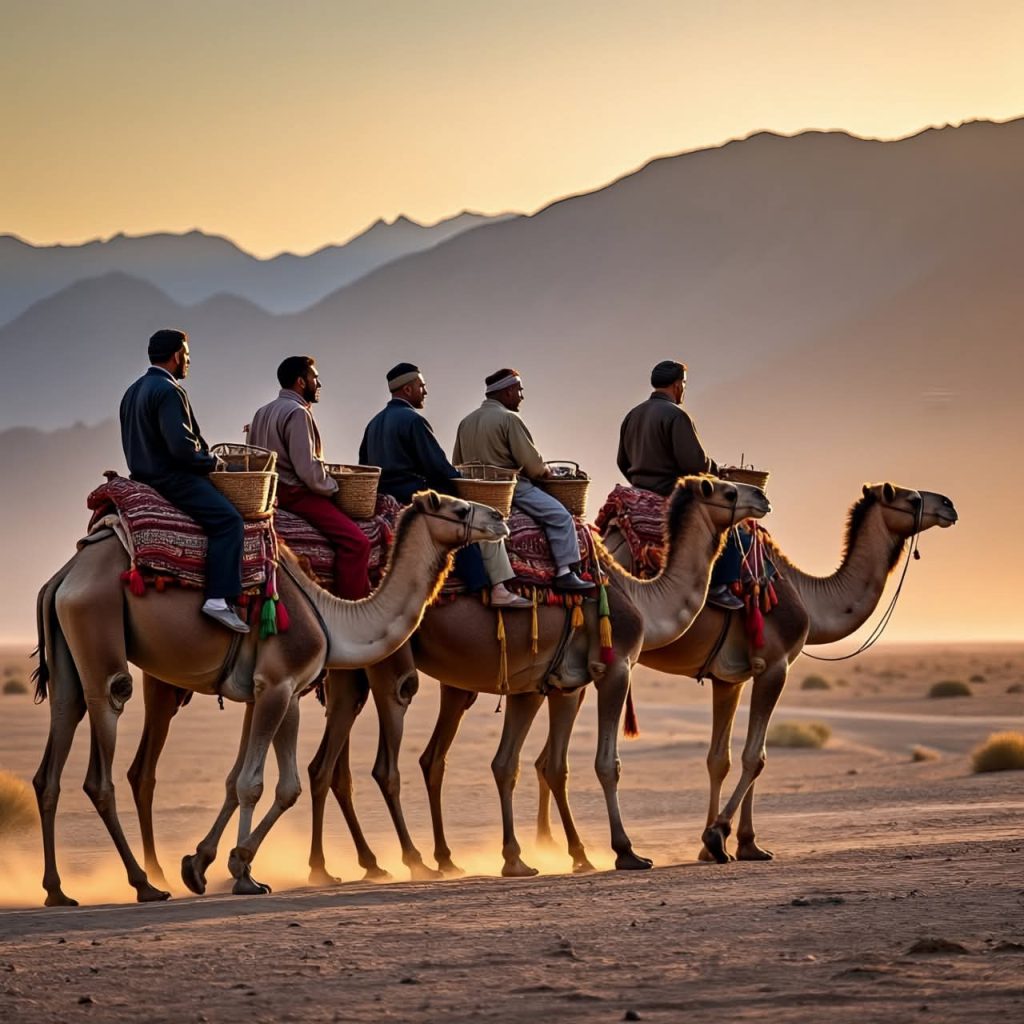
History of the Silk Road: The Road That Connected the World
The history of the Silk Road started 2000 years ago.
It was the most important trade route in the world.
In this article I will show you how the history of the Silk Road changed cultures, trade, and even religion.
The history of the Silk Road is the history of the world connecting. It’s about silk, spices, gold, religion, disease, and ideas traveling 4000 miles across deserts and mountains.
I used to think history was just kings and wars. But the Silk Road taught me that trade changed the world more than any war.
So let’s talk about it. No boring textbook stuff. Just the real story of how the Silk Road worked and why you should care in 2026.
What Was the Silk Road Really?
First, let’s clear one thing. There was no single “Silk Road”.
The Silk Road was a bunch of trade routes. About 4000 miles long. It went from China to the Middle East to Europe and Africa.
It started around 130 BC and ended around 1453 AD. That’s 1500 years.
Why “Silk”? Because silk was the most famous thing sold on it. Chinese silk was like iPhones back then. Everyone wanted it and only China could make it.
But they traded way more than silk. Spices from India. Gold from Rome. Paper from China. Glass from Rome. Horses from Central Asia. Even ideas and religions.
How Did the Silk Road Start? The Real Story
It all started with one man. Emperor Wu of Han Dynasty in China.
Around 130 BC, he sent a guy named Zhang Qian to find allies against the Huns. Zhang got captured, escaped, and came back 13 years later.
But he brought news. “Hey, there are countries in the West with amazing stuff.”
The Emperor said “Okay, let’s trade”. And that was it. The Silk Road was born.
At the same time, the Roman Empire wanted silk badly. Roman women loved Chinese silk. But Rome had no direct contact with China.
So merchants became the middlemen. And they got rich.
5 Ways Trade Routes Changed History
1. It Created the First Global Economy
Before the Silk Road, China only knew China. Rome only knew Rome.
The Silk Road connected them.
A Chinese merchant could sell silk to a Persian trader. That Persian would sell it to an Arab trader. That Arab would sell it to a Roman in Italy.
One piece of silk traveled through 10 hands and 4 religions before reaching Rome.
This was the first time the East and West did business regularly.
Cities along the route like Samarkand, Bukhara, and Kashgar became super rich. They were like New York and Dubai back then.
2.It Spread Religions Faster Than Any Army
Armies conquer land. But traders conquer minds.
Buddhism started in India. But it reached China, Korea, and Japan because of Silk Road merchants.
Islam spread across Central Asia and China the same way. Muslim traders set up shop and people liked their religion.
Christianity and even Manichaeism traveled this route too.
So when you see a Buddhist temple in Japan, thank a Silk Road trader.
The history of the Silk Road is also the history of how our beliefs spread.
3. It Excanged Ideas and Technology
This is the part I love most.
Paper was invented in China. It traveled the Silk Road and reached the Arabs. Arabs improved it and sent it to Europe. That’s why we have books today.
Gunpowder, compass, printing. All Chinese inventions that went West on this road.
From West to East came glass making, grape growing, and Roman coins.
Even food traveled. Grapes, alfalfa, and sesame came to China from the West.
China gave noodles and tea to the world.
The Silk Road was the original internet. It shared information.
4. It Also Spread Disease
Not everything was good.
In 541 AD, the Plague of Justinian started. It killed 25 million people.
In 1347, the Black Death started. It killed 200 million people.
Both traveled on the Silk Road. Rats in merchant caravans carried fleas. And fleas carried disease.
So the road that connected the world also connected its germs.
Covid taught us the same lesson in 2020.
5. It Created New Cultures and Mixed People
Cities on the Silk Road were like the UN.
In one city you’d see Chinese, Indians, Persians, Arabs, and Romans. All trading together.
They had to learn each other’s languages. They married each other. They mixed food and music.
This created brand new cultures. The art of Central Asia is a mix of Greek, Persian, and Chinese styles.
We call this “cultural exchange”. And it all started because people needed to trade.
Famous Traders and Explorers
1. The Merchants
Most were not rich. They were brave. They risked bandits, deserts, and mountains for profit.
Many were from Central Asia. They spoke 3-4 languages.
2. Marco Polo
The most famous traveler. A Venetian guy who went to China in 1271 and stayed 17 years.
He worked for Kublai Khan. When he came back he wrote a book. Europeans went crazy. “China has cities with gold?” That book inspired Columbus.
3. The Caravans
Travel was in groups called caravans. 100 to 1000 camels together.
Why? Safety. Bandits would not attack 1000 camels.
Camels were key. They could go 10 days without water. That’s why we call it “Ships of the Desert”.
What Was Traded on the Silk Road?
Everyone thinks only silk. No.
From East to West:
Silk, paper, gunpowder, porcelain, tea, spices
From West to East:
Gold, silver, glass, wool, horses, wine, precious stones
From South to North:
Spices from India, cotton, sugar, ivory
The most expensive thing was not silk. It was ideas. A new technology could make a merchant a millionaire.
Why This Ancient Trade Route Ended
The Silk Road didn’t die in one day. It faded around 1453.
3 reasons:
1. The Ottomans blocked it. In 1453, the Ottoman Empire took Constantinople. They charged huge taxes. Trade became too expensive.
2. Ships became better. Portugal found a sea route to India around Africa. Why travel 2 years on land when you can go by ship in 6 months?
3. Mongol Empire collapsed.The Mongols kept the whole road safe for 100 years. When they fell, bandits came back.
So traders switched to ships. And the Silk Road was forgotten for 500 years.
The Silk Road in 2026: It’s Back
You think this is old history? Think again.
In 2013, China started something called “Belt and Road Initiative”.
It’s basically the New Silk Road. Roads, trains, and ports connecting China to Europe and Africa.
Even the name is the same. Because leaders know: whoever controls trade routes, controls the world.
So the history of the Silk Road is not over. It’s repeating.
5 Lessons We Can Learn Today
1. Trade beats war.The road connected enemies for 1500 years because business was good.
2. Ideas travel with products.You don’t just sell silk. You sell culture too.
3. Middle men get rich.Samarkand was not big or strong. But it was in the middle. Location matters.
4. Connection has risks.More trade means more ideas, but also more disease.
5. The world has always been global. 2000 years ago a Roman was wearing Chinese silk. Nothing new.
Conclusion: Why the Silk Road Still Matters
So what is the history of the Silk Road in one sentence?
It’s the story of humans connecting.
For 1500 years, this network of roads moved more than goods. It moved religion, technology, food, and ideas.
It made some people rich. It killed some people. It changed how we live.
The next time you drink tea, wear silk, or use paper, remember it probably came to you on the Silk Road first.
The world is connected today because of planes and internet.
Back then, it was connected because of camels and courage.
That’s the real history of the Silk Road.
FAQ About the Silk Road
What is the Silk Road in simple words
The Silk Road was a network of trade routes connecting China to Europe for 1500 years.
When did the Silk Road start and end
It started around 130 BC and ended around 1453 AD.
What was the most important thing traded
Silk. But also spices, paper, gunpowder, and ideas.
Who was Marco Polo
A Venetian traveler who went to China in 1271 and wrote a famous book about it.
Why was it called the Silk Road
Because Chinese silk was the most famous and valuable product traded on it.
Is the Silk Road still used today
The old route is not. But China’s new “Belt and Road” project is like the modern Silk Road.
Read more:https://worldhistorytales.com/biggest-economic-crisis/
Link: https://www.britannica.com/event/Silk-Road-trade-route
Anchor Text: Read the full history on Britannica


