What Is the Bretton Woods Agreement? The 1944 Deal That Made the US Dollar King
What Was the Bretton Woods Agreement and Why It Still Runs the World in 2026
Let me tell you a secret about money. Every time you hear “dollar is strong” or “IMF gave a loan” — it all traces back to the Bretton Woods Agreement.
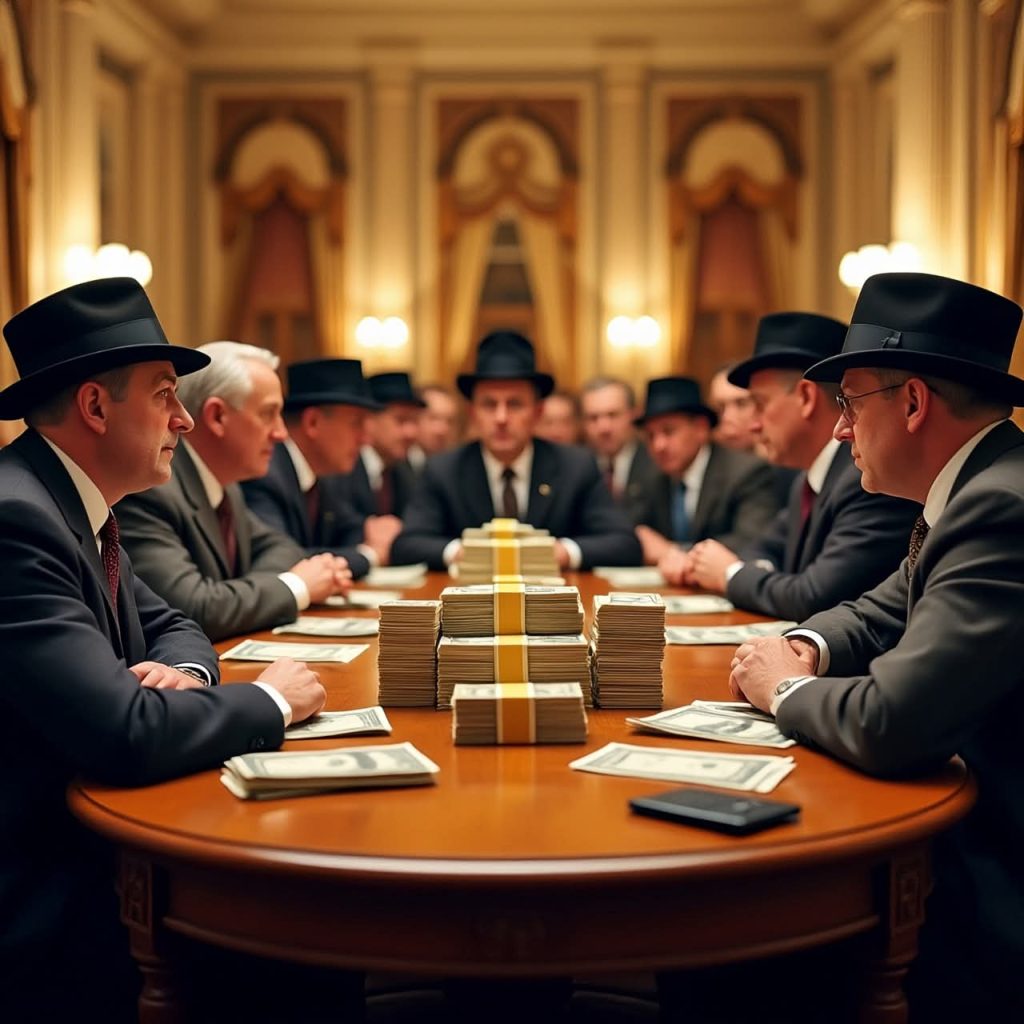
This one deal from July 1944 is why the US dollar rules the world. The Bretton Woods Agreement was signed by 44 countries in a hotel in New Hampshire, and it built the entire money system we use today.
I used to think it was just boring history. But once I understood the Bretton Woods Agreement, I realized this 3-week meeting controls your salary, inflation, and even wars.
So let’s break it down like I’m explaining it to my cousin over tea.
The World Was Broken Before 1944
To get why Bretton Woods happened, we gotta go back to the 1930s. And man, it was ugly.
After World War 1, there were no rules for money. So what did countries do? They cheated.
If Britain wanted to sell more cars, they’d make the Pound cheaper. France would get angry and make the Franc cheaper. Then America would do the same with the Dollar.
This is called “competitive devaluation”. And it killed world trade.
Nobody trusted anyone’s money. Banks failed. People lost life savings. And it directly led to the Great Depression.
On top of that, the “gold standard” collapsed. Before that, 1 dollar = fixed amount of gold. But during the Depression, countries just dropped gold so they could print more money.
By 1944, World War 2 was almost over. The leaders of 44 countries were scared to death. They said “We cannot go back to 1930s. We need new rules.”
So they picked a small resort town: Bretton Woods, New Hampshire.
How the Bretton Woods Agreement Was Made
July 1 to July 22, 1944. 21 days.
730 delegates from 44 Allied nations showed up at the Mount Washington Hotel. The war was still raging in Europe and Japan. But they were already planning the peace.
The mission was clear: Build a money system that brings stability and stops currency wars.
Two guys basically wrote the whole thing:
1. John Maynard Keynes- British. The most famous economist ever. He wanted a brand new world currency called “Bancor”.
2. Harry Dexter White- American. US Treasury guy. He wanted the US dollar to be the boss.
They argued every single day. Keynes was brilliant but White had the power. Because America had 70% of the world’s gold and its factories were untouched by war.
Guess who won?
On July 22, 1944, the **Bretton Woods Agreement** was signed.
The 3 Simple Rules That Changed Everything
The Bretton Woods Agreement wasn’t 500 pages. It was 3 big ideas.
Rule 1: Peg Every Currency to the US Dollar
Under Bretton Woods, every country had to fix their currency value to the dollar.
For example:
1 British Pound = $2.80
1 French Franc = 0.05 Dollars
1 Indian Rupee = 0.30 Dollars
You couldn’t just devalue whenever you wanted. If your economy was bad, you had to ask the IMF for permission.
This gave businesses confidence. For 27 years, exchange rates barely moved. Companies could plan 10 years ahead.
Rule 2: Peg the Dollar to Gold
This was the trust part.
The US promised the world: “$35 will always buy 1 ounce of gold.” And any country could come to Fort Knox and exchange dollars for gold.
So the chain looked like this:
Your Currency → Fixed to Dollar → Dollar → Backed by Gold
Because America had so much gold, everyone believed the dollar. And because everyone believed the dollar, everyone wanted dollars.
Rule 3: Create Two New Global Institutions
The Bretton Woods Agreement didn’t stop at exchange rates. It built 2 organizations we still use today.
1. The IMF – International Monetary Fund
Think of it as the world’s emergency lender. If a country ran out of dollars, the IMF would lend them.
But there were conditions. You had to cut spending, raise taxes, fix your economy. The IMF became the world’s financial doctor.
2. The World Bank
Its job was rebuilding. First it rebuilt Europe with the Marshall Plan. Then it started funding roads, dams, and schools in poor countries.
This Is How the US Dollar Reserve Currency Was Born
Before 1944, Britain was the financial king. After 1944, it was America.
Why? Because the whole system forced everyone to use dollars.
Let’s do a real example. It’s 1965. You’re Japan. You want to buy oil from Saudi Arabia.
Step 1: You sell Toyotas to America and get US dollars.
Step 2: You use those dollars to buy oil from Saudi Arabia.
Step 3: Saudi Arabia takes those dollars and buys US government bonds.
See the loop? Every country needed dollars. And the only way to get dollars was to sell stuff to America.
That’s how the US dollar reserve currency was born. Not by accident. It was designed at Bretton Woods.
The Golden Age: 1944 to 1971
For 27 years, Bretton Woods worked like a charm.
World trade grew 7-8% per year. Inflation stayed low. No major currency crashes.
Europe rebuilt. Japan became an economic miracle. Germany became an export powerhouse.
Americans could travel anywhere and their dollar was respected.
Economists called it the “Golden Age of Capitalism”. And it all happened because of fixed exchange rates from Bretton Woods.
Why Did the Bretton Woods Agreement Collapse in 1971?
If it was so good, why did it die?
Because America broke its promise.
Reason 1: America Printed Way Too Many Dollars
In the 1960s, President Lyndon Johnson spent insane money. Vietnam War + welfare programs at home.
To pay for it, the US printed more dollars. But they didn’t have more gold to back them.
Reason 2: Too Many Dollars Left the US
Remember that loop? America was buying from everyone. So dollars flooded out.
By 1970, foreign countries held $50 billion in US dollars. But the US only had $10 billion worth of gold at Fort Knox.
If everyone asked for gold, America would go bankrupt.
Reason 3: France Called America’s Bluff
In 1971, France said “We don’t want your paper. Give us gold.”
President Nixon panicked. On August 15, 1971, he went on TV and announced: “We are temporarily suspending the convertibility of the dollar into gold.”
“Temporarily” became permanent.
That day is called the **Nixon Shock**. And that was the end of the Bretton Woods Agreement.
Life After Bretton Woods: The Fiat Money World
After 1971, did we go back to gold? Nope.
We entered the “Fiat Money System”.
Fiat means the government just says “this paper is worth $1” and we believe it.
But the US dollar reserve currency didn’t die. It got stronger.
How? In 1974, America made a deal with Saudi Arabia: All oil will be sold in dollars. This is called the “Petrodollar System”.
So even without gold, every country still needed dollars to buy oil. The king stayed king.
Is the Bretton Woods Agreement Still Important in 2026?
Absolutely. Here’s why:
1. IMF and World Bank Still Rule:Any time Argentina, Pakistan, or Sri Lanka needs money, they go to the IMF. The rules were written in 1944.
2. Dollar Is Still 58% of World Reserves: Central banks still hold most money in dollars.
3. The Idea of Managed Currencies: China still doesn’t let the Yuan float freely. That’s a Bretton Woods idea.
Right now China, Russia, and BRICS are talking about “Bretton Woods 2.0”. They’re tired of US sanctions and US power.
But building a new system is hard. The Euro has debt issues. The Yuan isn’t free. Crypto is too risky.
So we’re still living in Bretton Woods, just without the gold.
7 Lessons We Learned From the Bretton Woods Agreement
1. Trust > Gold: The system worked because people trusted the US.
2. Stability Creates Growth: 27 years of fixed rates = biggest boom ever.
3. Printing Money Kills Trust: Too many dollars killed the system.
4. Gold = Power: Whoever has the gold makes the rules.
5. Institutions Last: IMF and World Bank are still here 80 years later.
6. No System Is Forever: Even good systems break.
7. Reserve Currency = Superpower: The dollar gives America free money.
Could We Get a “New Bretton Woods Agreement”?
Every year at Davos, economists ask this.
Some say yes. The current system is unfair. America prints money and the world pays for it.
Others say BRICS will create their own system with gold or a new currency.
Will it happen? Maybe. But the first Bretton Woods took a world war. Let’s hope we don’t need another one.
Conclusion: Why You Should Care About Bretton Woods
Look, the Bretton Woods Agreement wasn’t just history.
It’s why your paycheck is in taka that’s tied to the dollar.
It’s why oil prices crash your economy.
It’s why America can have $35 trillion debt and people still buy US bonds.
It created the US dollar reserve currency. And even though Nixon killed gold in 1971, the power structure is still the same.
Next time someone says “dollar is losing power”, remember Bretton Woods. Systems this big don’t die fast. They take decades.
And it all started with 730 people in a hotel in New Hampshire in July 1944.
FAQ: Bretton Woods Agreement
1. What is the Bretton Woods Agreement in simple words?
The Bretton Woods Agreement was a 1944 deal where 44 countries agreed to peg their currencies to the US dollar, and the dollar was pegged to gold at $35 per ounce. It also created the IMF and World Bank.
2. Why was the Bretton Woods Agreement created?
To prevent another Great Depression. After WW1 and WW2, countries were devaluing currencies and destroying trade. Bretton Woods created fixed exchange rates for stability.
3. When did the Bretton Woods Agreement end?
August 15, 1971. President Nixon stopped converting dollars to gold. This is called the Nixon Shock.
4. What replaced the Bretton Woods system?
The Fiat Money System. Now currencies are not backed by gold. They are backed by government trust. The US dollar remained the main reserve currency.
5. What were the 3 main outcomes of Bretton Woods?
1. US dollar became the world reserve currency.
2. Creation of the International Monetary Fund IMF.
3. Creation of the World Bank.
6. Is the Bretton Woods Agreement still relevant today?
Yes. The IMF and World Bank still control global finance. And the US dollar is still dominant because of the system created at Bretton Woods.
7. Who were the main architects of Bretton Woods?
John Maynard Keynes from the UK and Harry Dexter White from the US. They designed most of the agreement.
Read more:https://worldhistorytales.com/biggest-economic-crisis/
Read the official history from IMF: https://www.imf.org/en/About/History